When people talk about resilience today, it often sounds like just another performance demand. Endure, cope, don’t fall apart, and keep functioning even when you’re running on empty. But we can think about wellbeing and resilience in a completely different way. Not as the ability to survive anything, but as the ability to understand ourselves, our limits, and the resources that help us recover our energy.
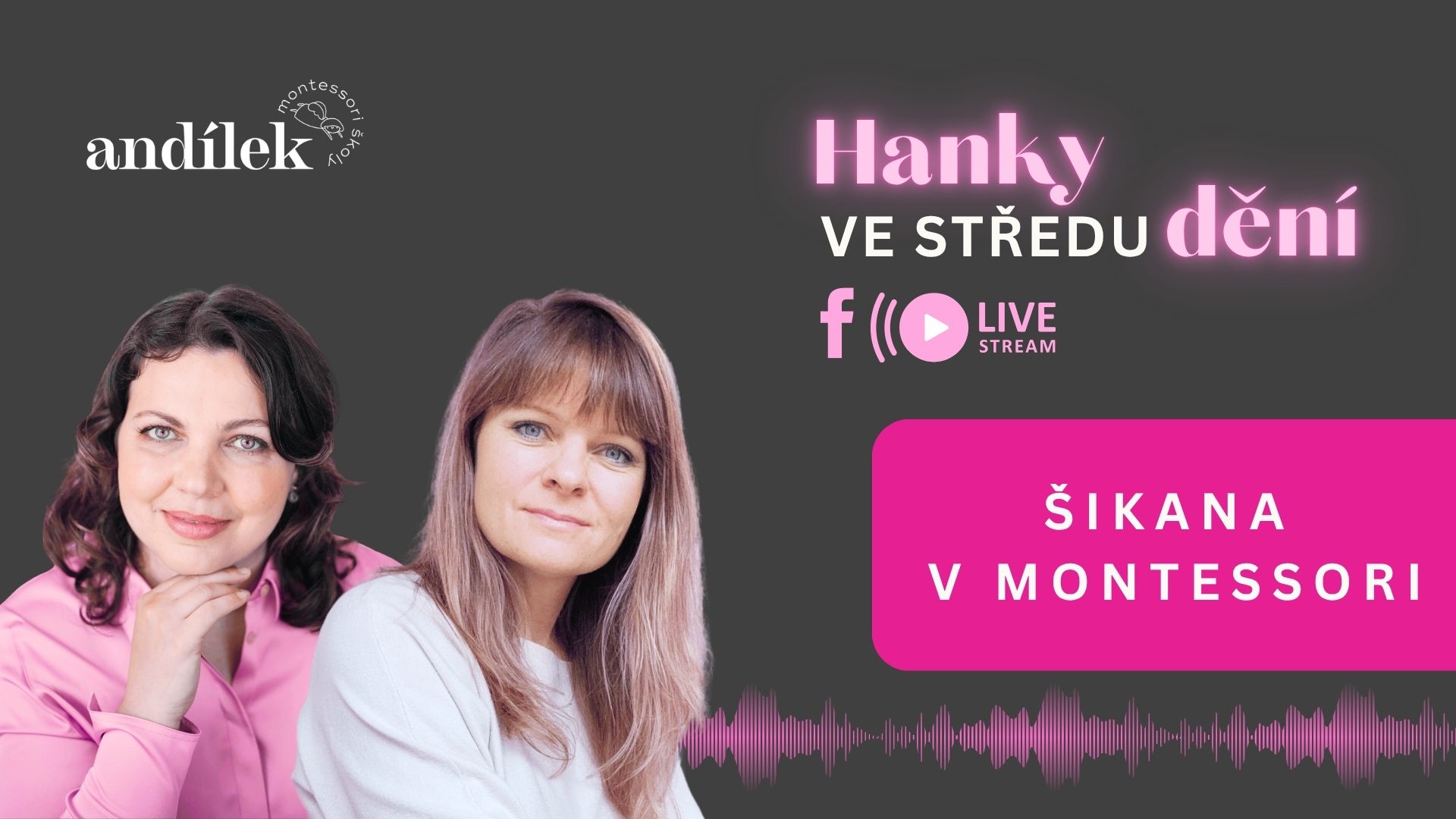
That’s exactly the theme of the new episode of the Hanky ve středu dění podcast. Hanka Chramostová and Hanka Slabá open up the question of what helps us cope with everyday pressure, and why real resilience doesn’t mean we never fall. What matters far more is knowing what we need in order to get back up.
Wellbeing and Resilience in Everyday Life
Resilience doesn’t only show up during major life crises. We need it far more often in ordinary situations: when we’re tired, facing an uncomfortable meeting, having a difficult day in the classroom, or working through a conflict. It’s precisely in these moments that we discover whether we have our own resources to draw on.
Everyone recharges differently. Some people need to meet inspiring people; others are helped by learning or time spent in nature. Someone else needs quiet, a book, movement, or a conversation with someone close. There’s no single right way. What matters is knowing your own resources and recognizing when you need them.
Wellbeing Isn’t a Luxury You Get To Later
We sometimes think of wellbeing as something that has to wait until every important obligation is out of the way. But taking care of our own wellbeing directly shapes how well we handle demanding situations. It shows up in how we react to stress, in our relationships, in how we communicate with children, and in our ability to keep doing our work with energy and purpose over the long term.
In the Montessori environment, we often talk about the prepared environment for the child. But the conditions adults work in deserve just as much attention. It’s hard for an exhausted person to create a calm environment. When we’re overloaded, we listen less well and have less capacity to respond to others with patience.
Resilience Begins With Knowing Your Own Limits
Wellbeing and resilience don’t mean ignoring exhaustion and pushing on at any cost. Sometimes we need to slow down, spend time alone, or seek out people who understand us. The important skill is recognizing these needs before exhaustion stops us completely.
Resilience, then, can also be understood as the ability to work with our own strengths. It includes rest, conscious self-care, and the ability to ask for help. Just as important is seeking out activities and relationships that give us back energy, joy, and a sense of meaning.
Taking Care of Yourself Helps the People Around You Too
Taking care of your own wellbeing doesn’t mean you stop being there for others. On the contrary, it can help you be genuinely present when they need you. That’s true for teachers and parents too, who create the environment for children every single day.
Real resilience, then, doesn’t have to look like endless performance. It can mean knowing your limits, noticing your own fatigue, and knowing where to turn for support. Wellbeing and resilience are closely connected in this sense. The better we understand our own needs and resources, the better we can handle demanding moments while still being a source of support for others.
You can listen to the full conversation between Hanka Chramostová and Hanka Slabá on this topic below.
Další články z blogu
On overcoming your own beliefs
24. 4. 2025
With Kateřina Ticha - cookbook author, mother of two children, entrepreneur and inspiring woman who managed to rewrite her own life script about childhood, food, MasterChef, the Mom of the Year award and the journey to education and inner peace.
Bullying Can Happen Anywhere. What Matters Is Whether We Notice It in Time.
6. 5. 2026
When people hear the word bullying, many picture only the most serious situations: a child who no longer wants to go to school, visible harm, fear, tears — something impossible to miss. But bullying usually doesn't start that visibly.
From Medicine to the Heart: Is Montessori just “another school” or a recipe for a happy life?
27. 2. 2026
Why did a successful doctor leave medicine to start a school? Discover the depth of Montessori education that restores purpose and self-belief to adolescents.
Cookies on this website are used to personalise content and ads, provide social media features and analyse traffic. In addition, we share information about your use of the website with our social media, advertising and web analytics partners, who may combine it with other information you have provided to them or that they have collected from your use of their services.
Individual consents
Necessary, to make the site work
Essential cookies help make the website usable by enabling basic functions such as site navigation and access to secure areas of the website. Without these cookies, the website cannot function properly.
Preferences, so you can save your settings
Preference cookies allow a website to remember information that changes the way a website behaves or looks, such as your preferred language or the region you are in.
Analytics, so that we can improve the site
Analytical cookies help website owners understand how visitors interact with the website by collecting and reporting information anonymously.
Marketing, so you don't see advertising you're not interested in
Marketing cookies are used to track visitors across websites. The intention is to serve ads that are relevant and engaging to the individual user, and thus more valuable to publishers and third-party advertisers.