
Montessori as a path to joy: How to raise an independent and happy child?
6. 2. 2026
Skip to content | Skip to main menu

Změnit jazyk stránky
 CZ
CZ
 EN
EN
 Jak se rodí morálka? Děti potřebují možnost rozhodovat se.
23. 9. 2026
We often talk to children about values. Yet each of us holds slightly different values. What one family considers important may not carry the same weight for another. Morality is therefore not just a list of rules that we hand over to a child with an explanation that this is how they should live. A child gradually builds their own sense of what is right, what is fair and what they are responsible for.
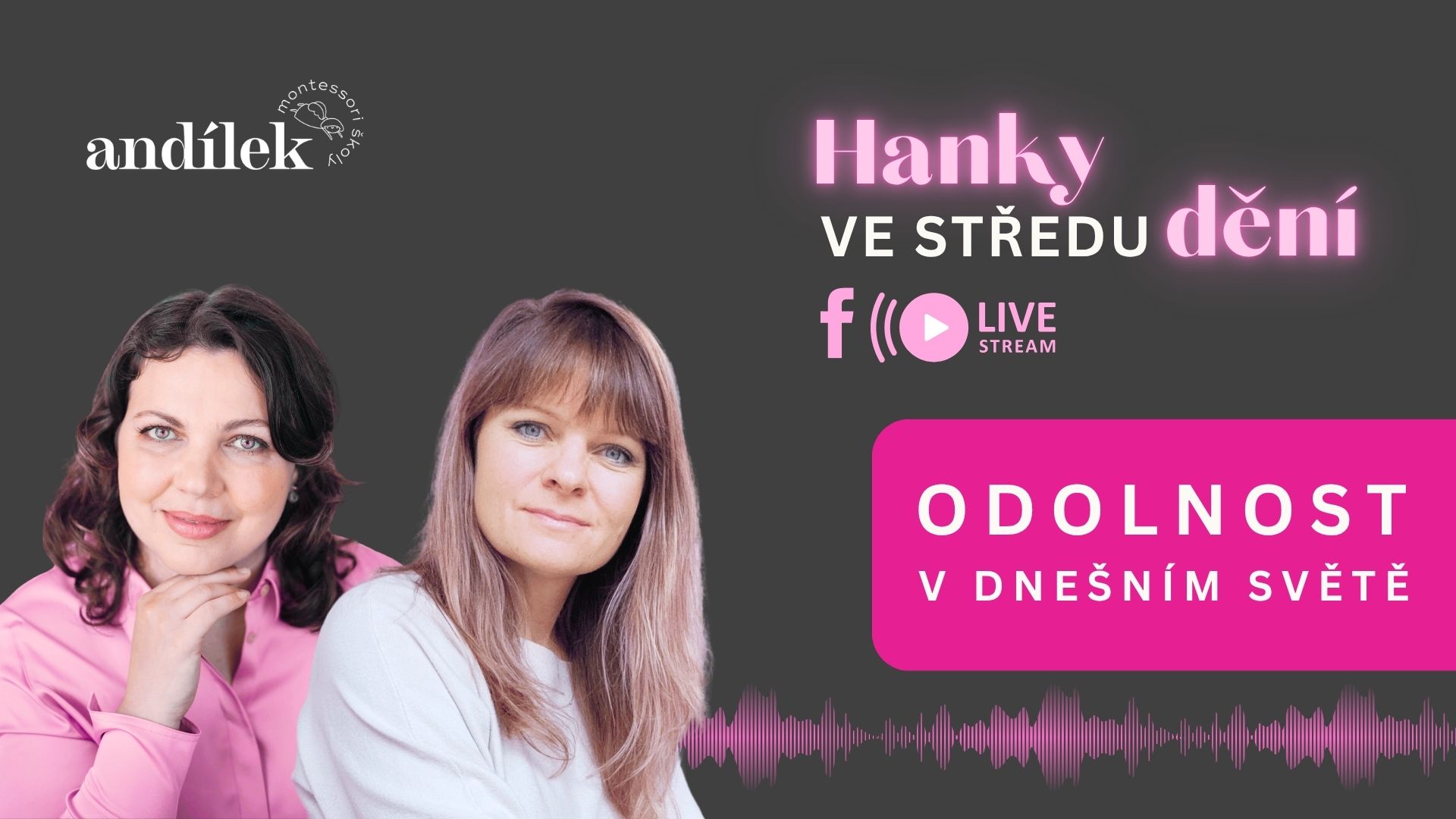
In the Hanky ve středu dění podcast, Hanka Trejklová and Hanka Slabá focus on exactly this: the moral development of children. They show that the journey from a child’s “I’ll do it because an adult said so” to their own conscience takes years. And the chance to make decisions and experience the natural consequences of their choices plays a big role in it.
With young children, we cannot yet expect the same moral reasoning as with school children or adolescents. At first, they take their cues from adults and from rules that give them a sense of order and safety. Gradually, however, they begin to think about why rules exist and whether they are fair.
That is why the example set by adults matters so much. If we want a child to respect others, to be responsible or considerate, they need to see these principles around them too. Talking about them is not enough. Children watch very closely how we ourselves make decisions and whether we follow the rules we ask them to follow.
A significant shift comes at school age. Children begin not only to accept rules but also to question and discuss them. They have a strong sense of fairness and want to know why something is the way adults have set it. Instead of blindly following rules, they gradually start to think for themselves.
At this stage, it makes sense to involve children in creating rules. Together they can think about what the class or the family needs so that things work well for everyone. A rule is then no longer just an order from above; they understand its purpose and their own responsibility for what the shared environment looks like.
One of the key ideas of the conversation is simple: morality needs decision-making. For a child to learn to take responsibility, they must be given opportunities to truly choose something. When making a decision, they weigh the situation, think about the options and gradually learn to see the consequences of their choice.
Of course, this does not mean that we let a small child decide everything. The ability to foresee consequences is still developing, and even adolescents do not yet have it fully matured. Freedom therefore needs limits appropriate to the child’s age. Within them, however, a child needs space to try things, make decisions, sometimes get it wrong and learn from their own experience.
When a child does something only to get a reward or avoid a punishment, it does not yet mean they have understood why that behaviour is right. The Montessori approach therefore aims for the child to gradually make rules and responsibility their own.
The goal is not a child who behaves well only when someone is watching. We want them, over time, to be able to judge a situation and decide according to their own conscience. This development, of course, does not end when they start school or reach adolescence. We keep thinking about what we consider right and how our decisions affect others throughout our lives.
As children grow into adolescents, their world expands. Peers and society become increasingly important, and young people look for their own place among others. This is when thinking about morality can go beyond the simple question “What will happen to me?” and move towards the question “What does my decision mean for others?”
And perhaps this is where one of the most important parts of moral education lies. We do not want to teach children only to follow rules. We want to gradually help them grow into people who can think about their decisions, take responsibility for them and see that their actions also have an impact on the world around them.
You can listen to the full conversation between Hanka Trejklová and Hanka Slabá in the Hanky ve středu dění podcast (in Czech) here:
6. 2. 2026
11. 5. 2026
When people talk about resilience today, it often sounds like just another performance target. Endure. Cope. Don't fall apart. Keep going even when you're running on empty.
20. 8. 2026
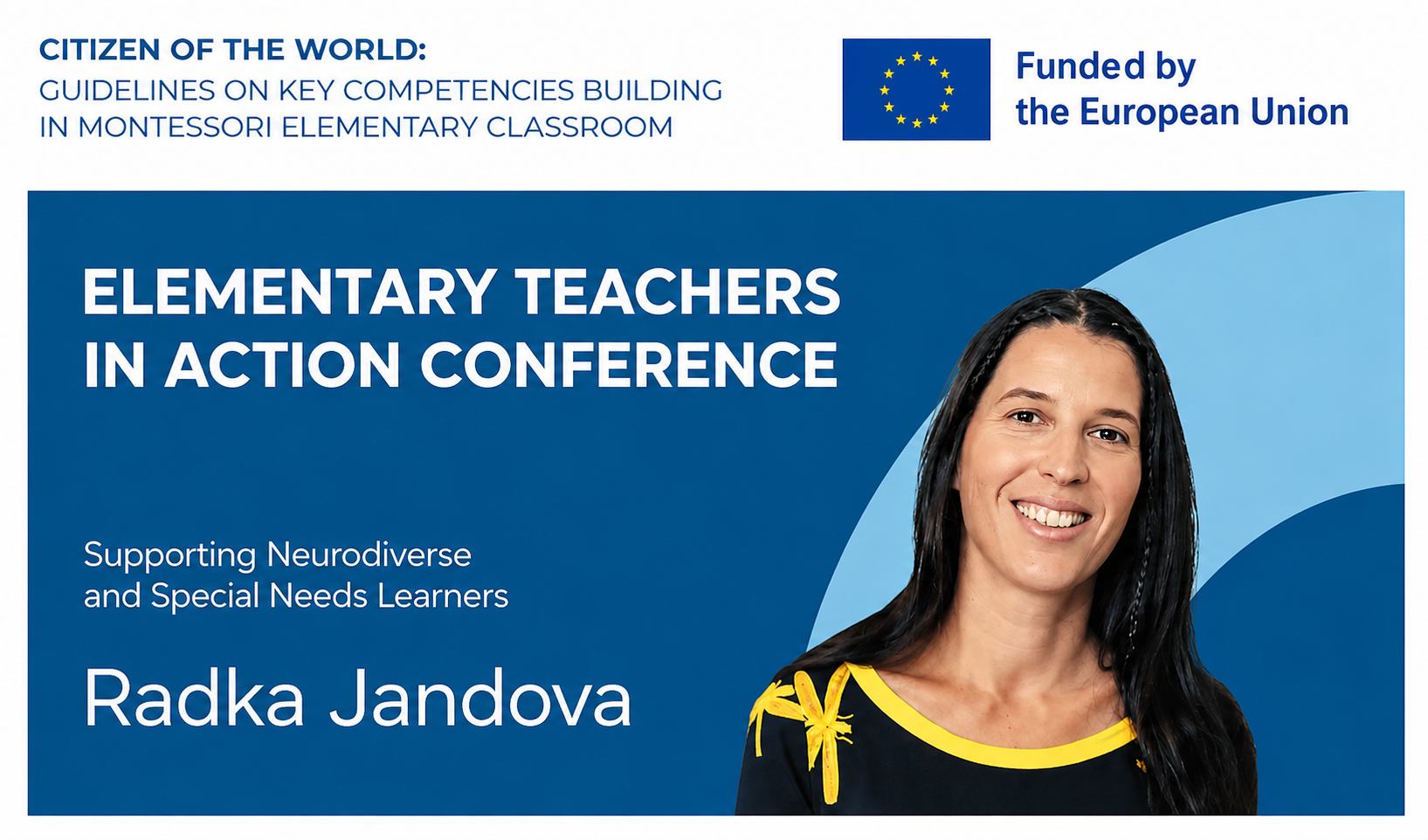
Every child learns a little differently. Some need more time, others need movement, a quieter space, or a clearer plan. For neurodivergent children, these differences are often more pronounced. How can we support them in a Montessori environment without doing for them what they can gradually learn to do on their own?
POD RADNICÍ 152/3
PRAHA SMÍCHOV